Mississippi State Penitentiary (Parchman) Photo Collections...
In January 1901 the state of Mississippi purchased land in Sunflower County for a prison. The Mississippi State Penitentiary, also known as Parchman Farm or simply Parchman, became the main hub for Mississippi's penal system. Parchman Farm was in many ways reminiscent of a gigantic antebellum plantation and operated on the basis of a plan proposed by Governor John M. Stone in 1896. By 1917, Parchman was separated into twelve male camps and one female camp, and racial segregation was considered of paramount importance.
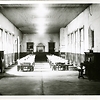
The convicts worked ten hours a day, six days a week, and slept in long, single-story buildings commonly called "cages" that were constructed of bricks and lumber produced on site. Most male prisoners were employed in farming, but some also worked in the brickyard, sawmill, cotton gin, and prison hospital. The female camp produced clothes and bed sheets for the entire farm. On Sundays, the convicts would attend religious services and often formed baseball games between opposing camps.
Because of the remote location and vast size of Parchman Farm, a sophisticated system of walls and fences was considered unnecessary. Prison officials would employ convicts they considered trustworthy as armed guards. These prisoners were known as "trusty guards" or "trusty shooters" and were separated from the general prison population.
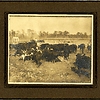
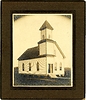
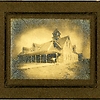
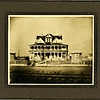
These two photograph collections, designated PI/1996.0006 and PI/PEN/P37.4, showcase photographs taken at the Mississippi State Penitentiary in the early twentieth century. They document Parchman facilities and activities from 1914 to the early 1940s.
Read MoreIn January 1901 the state of Mississippi purchased land in Sunflower County for a prison. The Mississippi State Penitentiary, also known as Parchman Farm or simply Parchman, became the main hub for Mississippi's penal system. Parchman Farm was in many ways reminiscent of a gigantic antebellum plantation and operated on the basis of a plan proposed by Governor John M. Stone in 1896. By 1917, Parchman was separated into twelve male camps and one female camp, and racial segregation was considered of paramount importance.
The convicts worked ten hours a day, six days a week, and slept in long, single-story buildings commonly called "cages" that were constructed of bricks and lumber produced on site. Most male prisoners were employed in farming, but some also worked in the brickyard, sawmill, cotton gin, and prison hospital. The female camp produced clothes and bed sheets for the entire farm. On Sundays, the convicts would attend religious services and often formed baseball games between opposing camps.
Because of the remote location and vast size of Parchman Farm, a sophisticated system of walls and fences was considered unnecessary. Prison officials would employ convicts they considered trustworthy as armed guards. These prisoners were known as "trusty guards" or "trusty shooters" and were separated from the general prison population.
These two photograph collections, designated PI/1996.0006 and PI/PEN/P37.4, showcase photographs taken at the Mississippi State Penitentiary in the early twentieth century. They document Parchman facilities and activities from 1914 to the early 1940s.
-
-
-
-
-
-
-
-
-
-
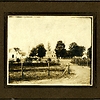
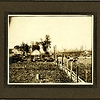
Mississippi State Penitentiary. Garden plots and prison buildings.
Date: 19xx
Filename: 97287_photo.jpg
-
-
-
-
-
-
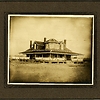
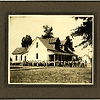
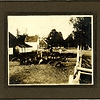
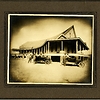
Mississippi State Penitentiary. Woman and child stand on porch of house.
Date: 19xx
Filename: 97293_photo.jpg
-
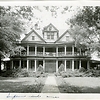
-
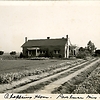
-
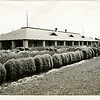
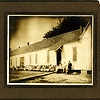
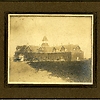
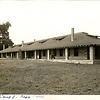
"Camp Number Six, Parchman Farm." "This is where white men (criminals) are housed."
Date: 19xx
Filename: 97250_photo.jpg
-
-
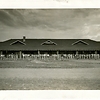
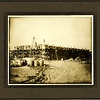
Brick Yard. Male prisoners standing in front of one-story brick structure. Sign over entrance reads "Brick Yard." "Coca-Cola" sign at front left.
Date: 19xx
Filename: 97253_photo.jpg
-
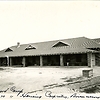
"Brickyard Camp. Negro Camp Housing, Carpenters, Brick masons, Etc."
Date: 19xx
Filename: 97254_photo.jpg
-
-
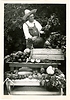
"Gov. Ben Laney, Little Rock, Ark. Rush. Fresh Vegetables From Mississippi."
Date: 194x
Filename: 97256_photo.jpg
-
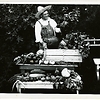
"Gov. Ben Laney, Little Rock, Ark. Rush. Fresh Vegetables From Mississippi."
Date: 194x
Filename: 97257_photo.jpg
-
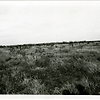
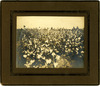
Parchman Penal Farm. Large open field with thick brush and small bushes.
Date: 19xx
Filename: 97258_photo.jpg
-
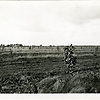
Parchman Penal Farm. Large open field with grass, brush and small trees. Buildings in background.
Date: 19xx
Filename: 97259_photo.jpg
-
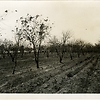
-
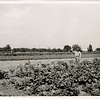
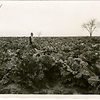
Parchman Penal Farm. Man standing in field of vegetables. Three male prisoners working in background.
Date: 19xx
Filename: 97264_photo.jpg
-
-
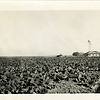
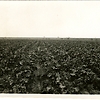
Parchman Penal Farm. Field planted with rows of vegetables. Building in background.
Date: 19xx
Filename: 97267_photo.jpg
-